
How to Edit Your Own Writing
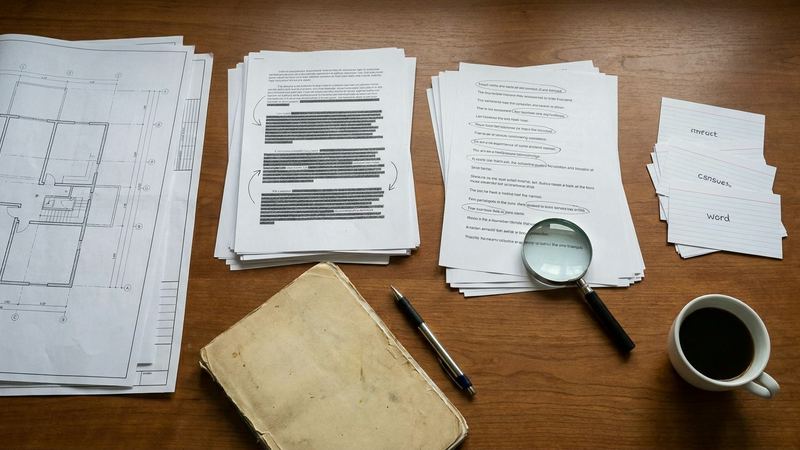
The editing-pass framework: structure, paragraphs, sentences, words — what each pass looks for, what tools can and cannot see, and when to stop editing.
Each guide takes one problem, a sentence that runs long, a passive construction hiding who did what, a nominalisation burying a decision inside a noun, and works through it with examples from real reports, emails and essays. Where a rule is genuinely contested, the guide names both sides and says which one this site follows.
Each one covers a single problem in full, with worked examples from reports, emails and articles, and a named source to read next.
The editing-pass framework: structure, paragraphs, sentences, words — what each pass looks for, what tools can and cannot see, and when to stop editing.

Why working memory sets a sentence-length limit, how to vary length on purpose, the one-idea rule and its exceptions, with before-and-after examples from reports.

Plain-language principles, the difference between simple and simplistic, the GOV.UK style guide as a worked example, and the substitutions that do most of the work.

Each form's structure, the reader's question answered first, the summary that stands alone, what to leave out, and worked examples from real workplace writing.

Outlining methods that survive the draft, signposting, openings that do not clear their throat, and how a talk's structure differs from an article's.

The prescriptive case against the passive, the linguists' rebuttal, and when to use it: unknown actor, end-focus, deliberate de-emphasis — with examples of each.

Point of view and consistency, dialogue punctuation in British convention, showing and telling with the contested bits named, and revision questions a first reader asks.

What to ask an AI assistant for and what not to, the tells of assistant prose, keeping your voice, disclosure norms, and the academic-integrity position stated.